

Polish for epoxy, varnish and plastic
Tax included.

Shopping with us is risk-free
Thousands of satisfied customers
Fast delivery
(1-3 days)
Buy now,
pay later
Used to remove streaks and polish epoxy or other plastic surfaces. Often used after fine sandpaper to remove streaks and polish the epoxy to a super-shiny and glossy surface.
What do I need?
To achieve maximum gloss, you need to remove all streaks that are present in the surface, even microscopic ones. For this, sandpaper is not enough, even 3000 grit will give a matte surface full of streaks. Therefore, you need polishing paste with a finer grain than sandpaper can achieve.
What can I choose from?
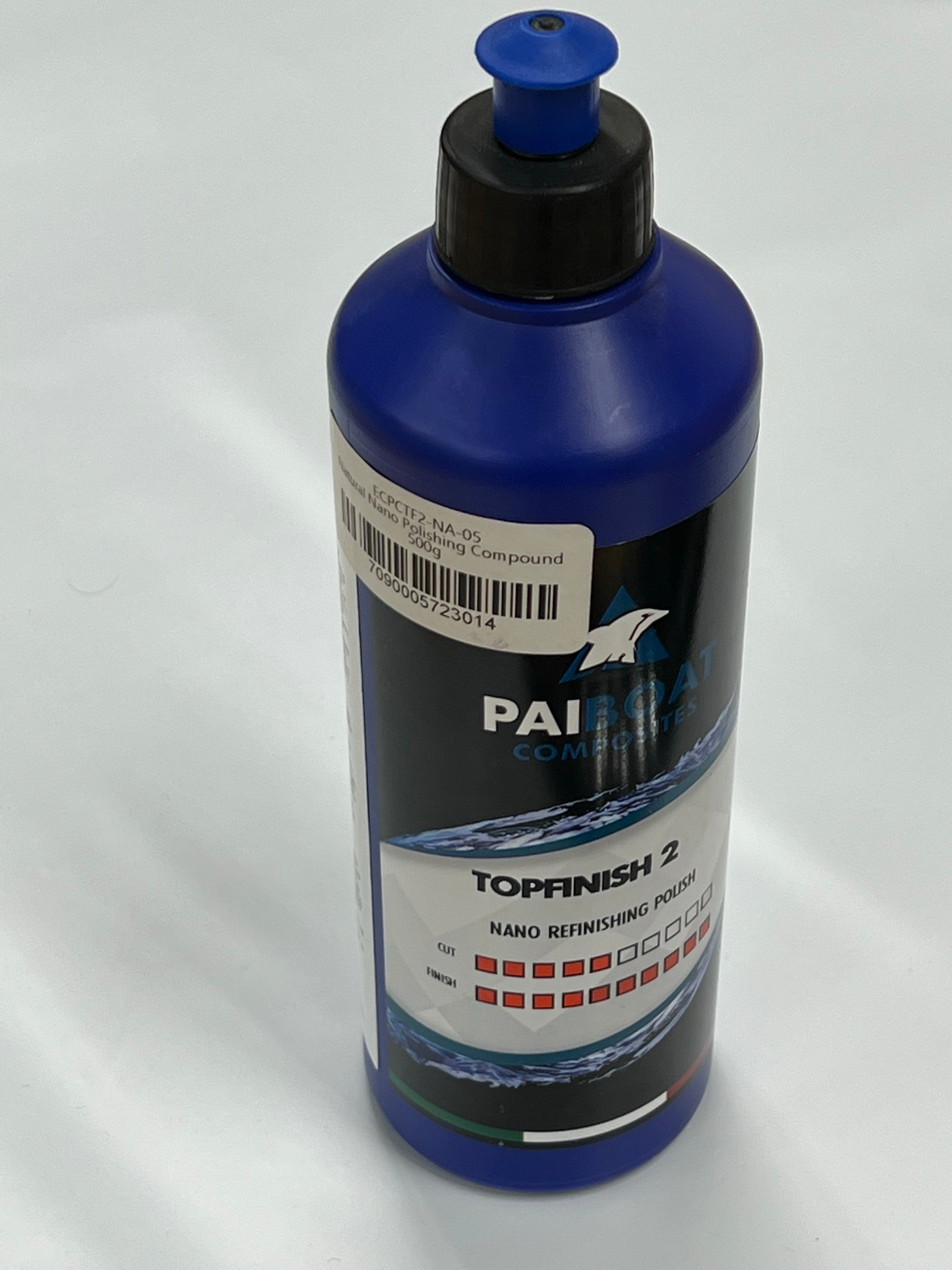
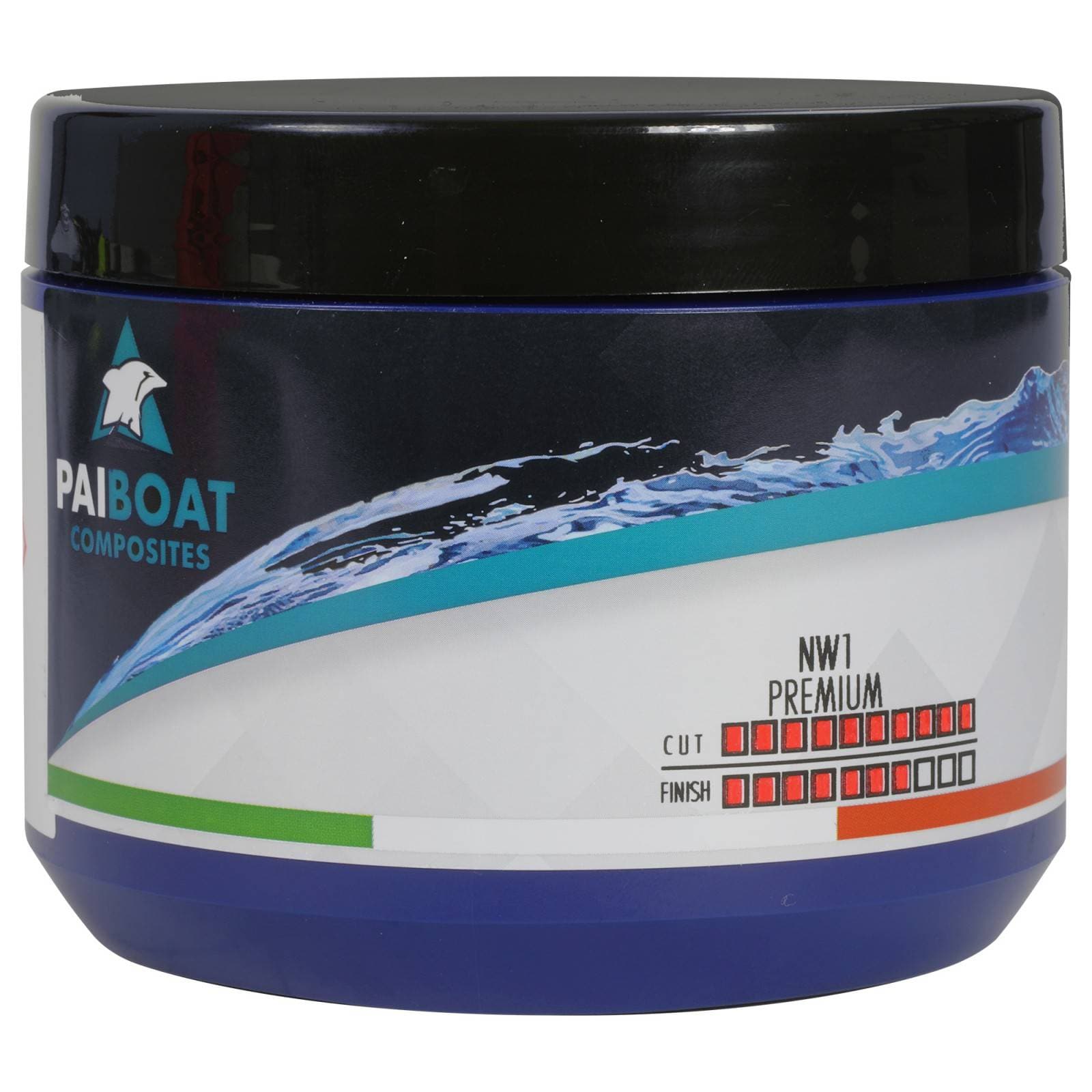
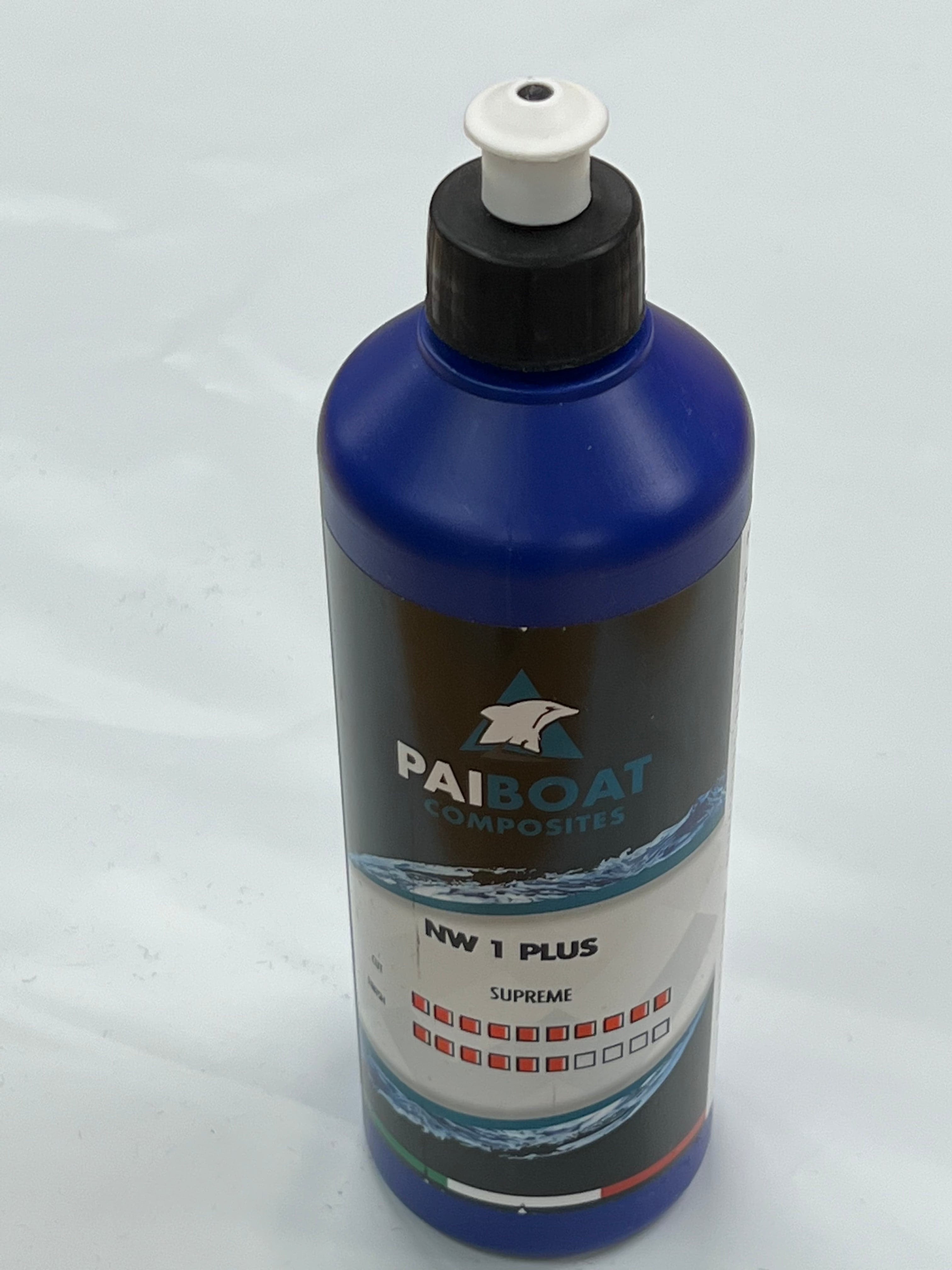
Here you have two different polishing pastes for plastic. These have different grinding speeds. Where NW1 Plus is a "Cutting compound" that is well suited for removing streaks and doing a quick polish, and Natural Nano topfinish 2 is perfect for step number two to go from glossy to super glossy.
What is NW1 Plus Cutting compound?
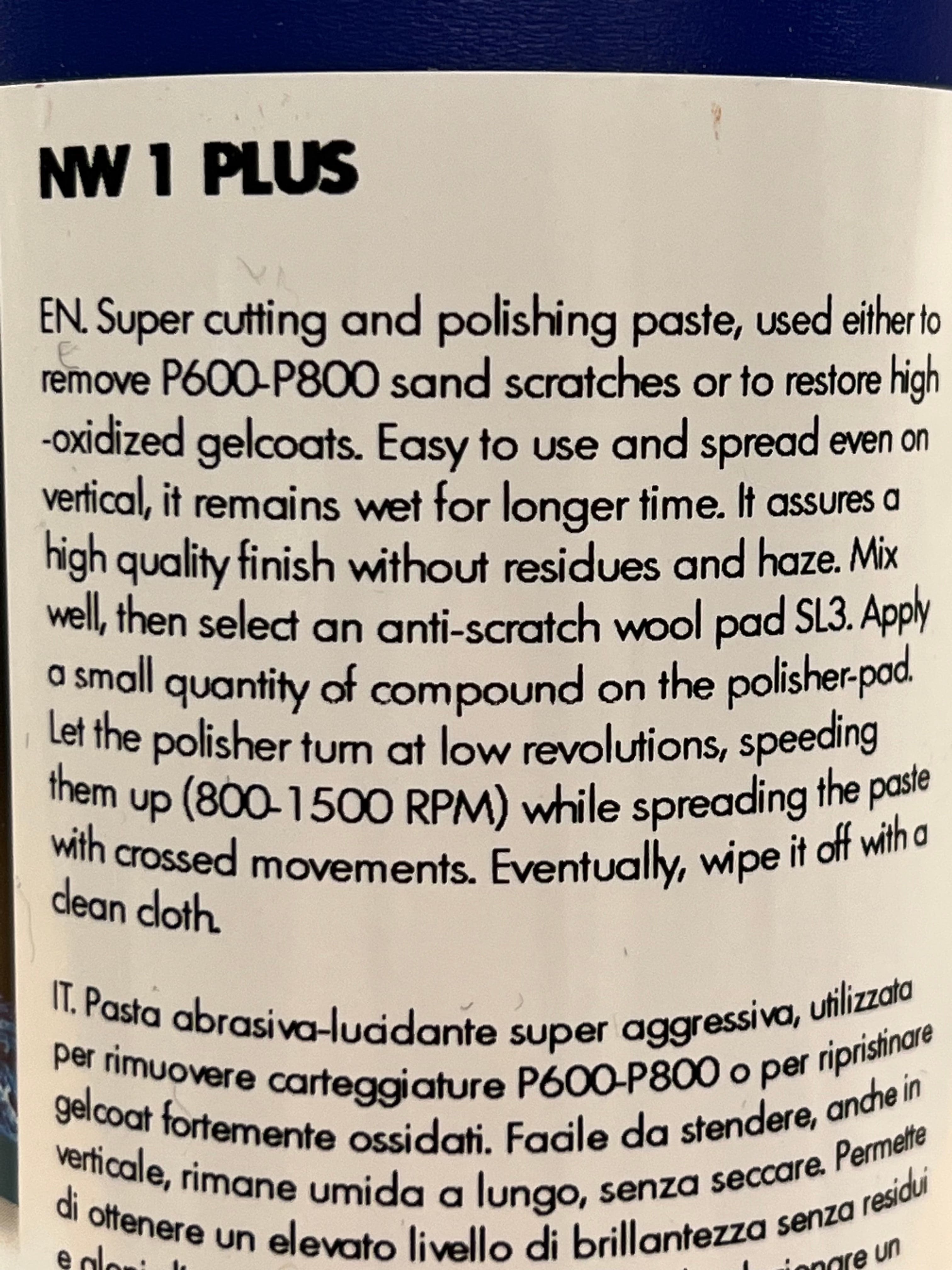
Used to remove streaks from epoxy or plastic after using fine grit sandpaper. This is a highly effective sanding compound used to remove P600-P800 sandpaper scratches in preparation for polishing, or as a near-polishing. Many are happy with the gloss from this alone. It ensures a high quality finish with no residual dullness. See how to use it below. Once the streaks are gone, move on to Natural Nano Polishing Compound for more gloss.
What is Natural Nano Topfinish 2?
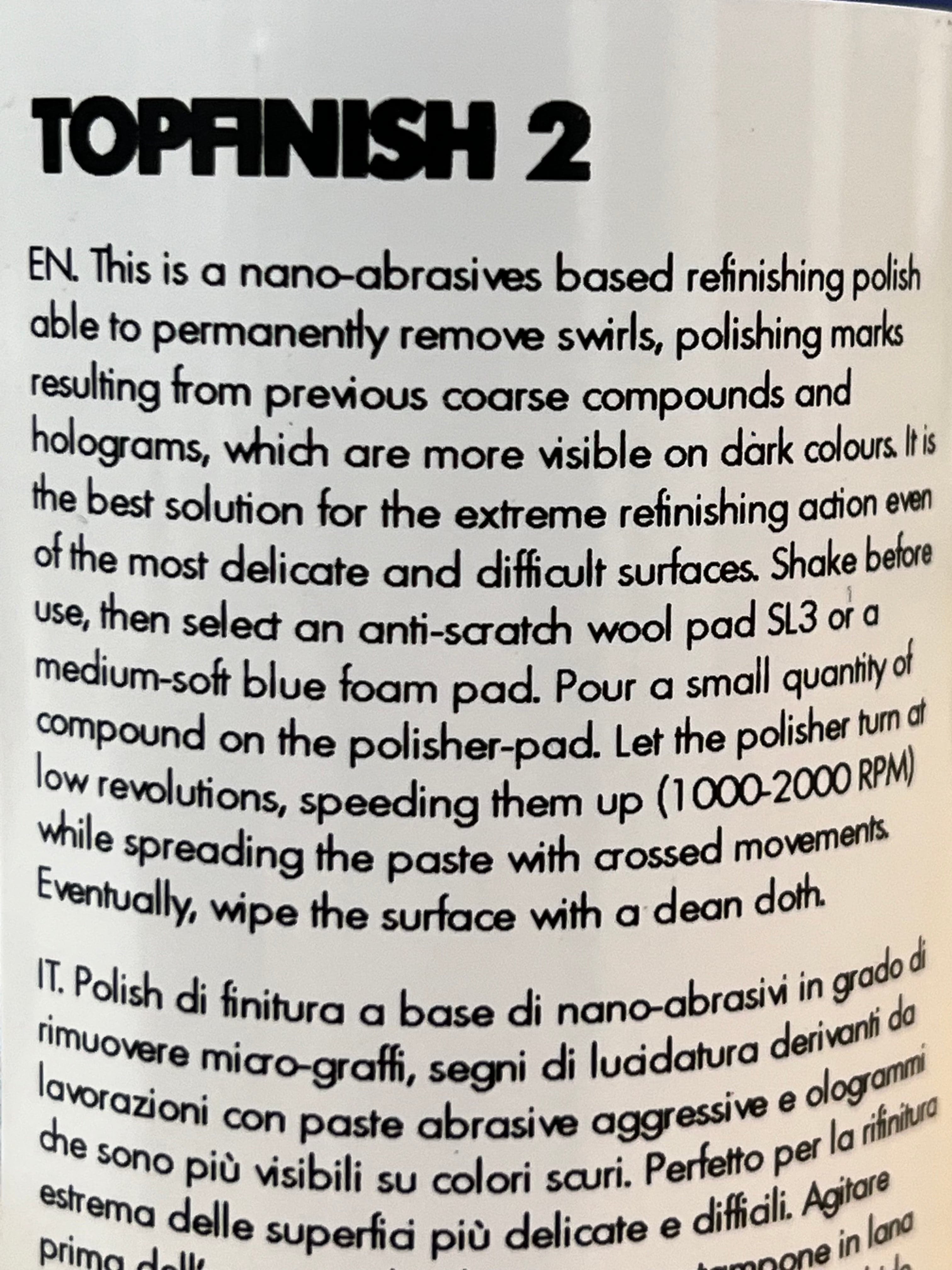
Used to polish epoxy to maximum shine and gloss. This is a nano-abrasive based polishing paste that permanently removes streaks from previous polishing steps. It is the best solution to achieve the extreme gloss possible when polishing epoxy and other plastic surfaces. Shake the bottle well and apply a small amount of polishing paste to a polishing pad or cloth. Spread the polishing paste over the surface, working systematically through. Start the polishing machine at low speed and accelerate it (1000-2000 RPM) while spreading the polish in a crisscross motion. Wipe off with a clean cloth.
If you need something to remove rougher streaks in the epoxy, use W1 White Super Cutting Compound.
How is epoxy polish used?
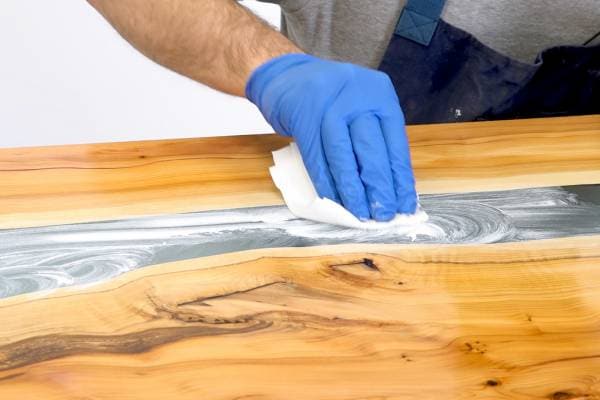
Shake well and apply a small amount of the mixture to the polishing pad or cloth. Start the polishing machine at low speed while spreading the polishing compound over the surface. Polish at increasing speed (on a machine about 800-1500 RPM) while systematically rubbing the compound over the surface to remove all streaks, using crisscrossing and overlapping movements. After you have worked your way through the entire surface, wipe off with a clean cloth and insinuate the result. If you still have clear sanding marks or are not satisfied with the finish, do another round. If you have used NW1 Plus or another cutting compound, go up a step to Topfinish Natural Nano.
We ship almost all orders on the same business day if you order before 2:00 PM.
Standard delivery time: 1–3 business days with Bring.
Customers in Northern Norway may experience an extra day or two in some cases.
Tracking:
You will receive a tracking number via email as soon as the package has been shipped.
100% satisfaction guarantee:
We are completely confident that you will be satisfied. We are so confident that we offer both a full return and coverage of return shipping. Regardless. So, it is completely risk-free for you to order now to inspect the product yourself in your own home and at your own pace.
We also stock spare parts and wear parts, so if you should be unfortunate enough to break something or, against all odds, manage to wear out the sharpening stones, these can be easily replaced.
Easy returns:
Contact our customer service, and we will send you a pre-filled return label.
No questions asked – no risk
Description:
Used to remove streaks and polish epoxy or other plastic surfaces. Often used after fine sandpaper to remove streaks and polish the epoxy to a super-shiny and glossy surface.
What do I need?
To achieve maximum gloss, you need to remove all streaks that are present in the surface, even microscopic ones. For this, sandpaper is not enough, even 3000 grit will give a matte surface full of streaks. Therefore, you need polishing paste with a finer grain than sandpaper can achieve.
What can I choose from?
Here you have two different polishing pastes for plastic. These have different grinding speeds. Where NW1 Plus is a "Cutting compound" that is well suited for removing streaks and doing a quick polish, and Natural Nano topfinish 2 is perfect for step number two to go from glossy to super glossy.
What is NW1 Plus Cutting compound?
Used to remove streaks from epoxy or plastic after using fine grit sandpaper. This is a highly effective sanding compound used to remove P600-P800 sandpaper scratches in preparation for polishing, or as a near-polishing. Many are happy with the gloss from this alone. It ensures a high quality finish with no residual dullness. See how to use it below. Once the streaks are gone, move on to Natural Nano Polishing Compound for more gloss.
What is Natural Nano Topfinish 2?
Used to polish epoxy to maximum shine and gloss. This is a nano-abrasive based polishing paste that permanently removes streaks from previous polishing steps. It is the best solution to achieve the extreme gloss possible when polishing epoxy and other plastic surfaces. Shake the bottle well and apply a small amount of polishing paste to a polishing pad or cloth. Spread the polishing paste over the surface, working systematically through. Start the polishing machine at low speed and accelerate it (1000-2000 RPM) while spreading the polish in a crisscross motion. Wipe off with a clean cloth.
If you need something to remove rougher streaks in the epoxy, use W1 White Super Cutting Compound.
How is epoxy polish used?
Shake well and apply a small amount of the mixture to the polishing pad or cloth. Start the polishing machine at low speed while spreading the polishing compound over the surface. Polish at increasing speed (on a machine about 800-1500 RPM) while systematically rubbing the compound over the surface to remove all streaks, using crisscrossing and overlapping movements. After you have worked your way through the entire surface, wipe off with a clean cloth and insinuate the result. If you still have clear sanding marks or are not satisfied with the finish, do another round. If you have used NW1 Plus or another cutting compound, go up a step to Topfinish Natural Nano.